
Sattriya: Assam's classical dance, and where to see it from Jorhat
In short
- What: Sattriya is Assam's classical dance, one of the eight classical dances recognised by the Sangeet Natak Akademi (on 15 November 2000).
- Origins: shaped in the 16th century by the saint-reformer Srimanta Sankardeva, as part of Bhaona drama in the Vaishnavite monasteries called satras.
- Who dances: traditionally the bhakats (resident monks) of the satras. Today men and women perform it on stages across India.
- Where to see it: Majuli's satras, especially Uttar Kamalabari, and during festivals such as Raas and Bhaona season. Visitors can sometimes take short lessons.
- From Jorhat: Majuli is a ferry ride from Nimati Ghat. Performances are not on a fixed schedule, so ask ahead.
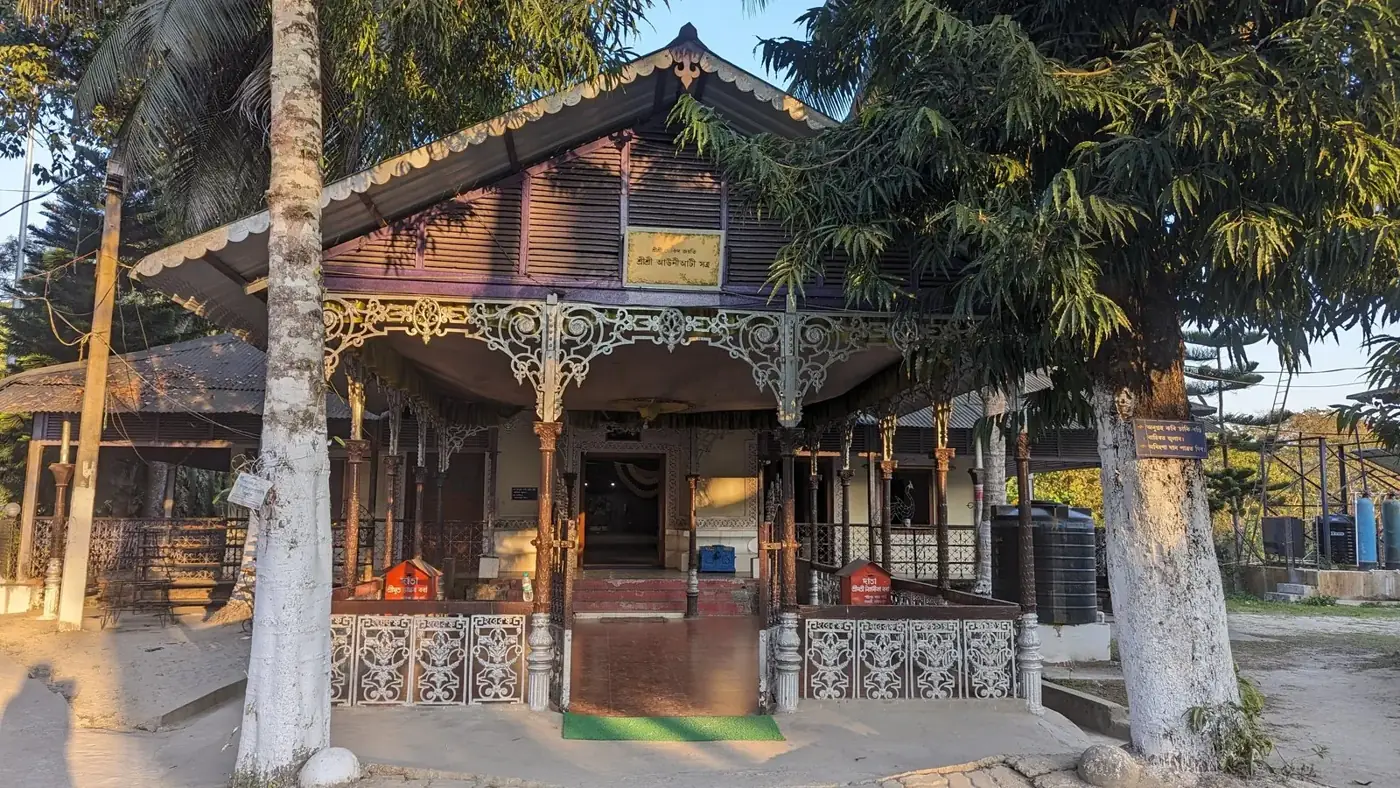
The hall is dim and the drums begin slowly. A row of young monks in white step forward, knees bent low, arms curving outward. The khol quickens, cymbals clash, and the dancers spin and leap. At the far end of the prayer hall there's no idol, only a copy of the holy text on a raised seat. This is Sattriya, and on Majuli it is still part of daily monastery life.
A dance born in the satras
In the 16th century, Srimanta Sankardeva spread Neo-Vaishnavism, a devotional movement centred on Krishna, through music, drama and dance. He wrote short plays called Ankia Naat, staged as Bhaona, and gave them a dance language of their own. His followers founded the satras, Vaishnavite monasteries, and the dance grew inside them. It took its name from them: Sattriya, "of the satra".
For centuries it was performed only by the bhakats, the monks who live in the satras, as part of daily prayer and at festivals. In the second half of the 20th century it moved out of the monasteries and onto public stages, and women began to dance it too. On 15 November 2000, the Sangeet Natak Akademi recognised Sattriya as a classical dance of India, placing it alongside Bharatanatyam, Kathak and Odissi.
What to watch for
- Two moods: Paurashik bhangi is the masculine style, strong and full of jumps. Stri bhangi is the feminine style, soft and flowing. A performance often uses both.
- The foundation: dancers train through the mati akhara, a set of basic body exercises done close to the ground. You'll see its deep, low stance in almost every movement.
- Story and pure dance: some pieces are pure rhythm and pattern; others tell stories of Krishna, Rama and the epics through gesture and expression. A Sutradhar (narrator) may link the scenes.
- The music: the khol drum, played with the fingers, leads. Cymbals of different sizes keep time, and singers perform borgeet, devotional songs composed by Sankardeva and his disciple Madhavdev.
- The costume: dancers wear Assam's own silks, pat and the golden muga, woven with traditional motifs. Men wear a dhoti, chadar and turban. Women wear traditional jewellery and white flowers in their hair.
Where to see Sattriya around Jorhat
- Majuli's satras: the river island is the heart of satra culture. Uttar Kamalabari Satra is the best known for dance, and is often where visitors watch or learn it. Other satras, such as Auniati, also keep the tradition. See our Majuli day trip guide.
- Raas and Bhaona: satras stage Bhaona and dance during festivals, above all at Raas Mahotsav in November, when masks from places like Samaguri come out on stage.
- Cultural programmes: Sattriya is a regular part of festivals and stage shows across Assam, including Bihu programmes. Look out for listings in Jorhat during winter and around Magh Bihu.
Can you learn it?
Some visitors stay a few days on Majuli and take lessons from satra artists. In late 2025, a group of Israeli visitors was reported returning to Uttar Kamalabari every evening to learn basic steps and borgeet. If you'd like a lesson or to watch a rehearsal, ask your guide or the satra office a day or two ahead.
Tips for visitors
- Ask first. Satras are working monasteries, not theatres. Performances happen around prayers and festivals, so there isn't a fixed show time. Our Majuli satras guide explains what each satra is known for.
- Dress modestly and take off your shoes before entering a namghar (prayer hall).
- Photography: ask before you photograph, and never use flash during prayers.
- Give back: entry is usually free, but a donation to the satra is welcome.
- Getting there: ferries run from Nimati Ghat near Jorhat to Kamalabari Ghat, and Uttar Kamalabari is a short drive from the ghat. See how to reach Majuli.
Ferry times and satra routines change with the season, so confirm locally before you go.
Where to stay: NOI Homes, central Jorhat
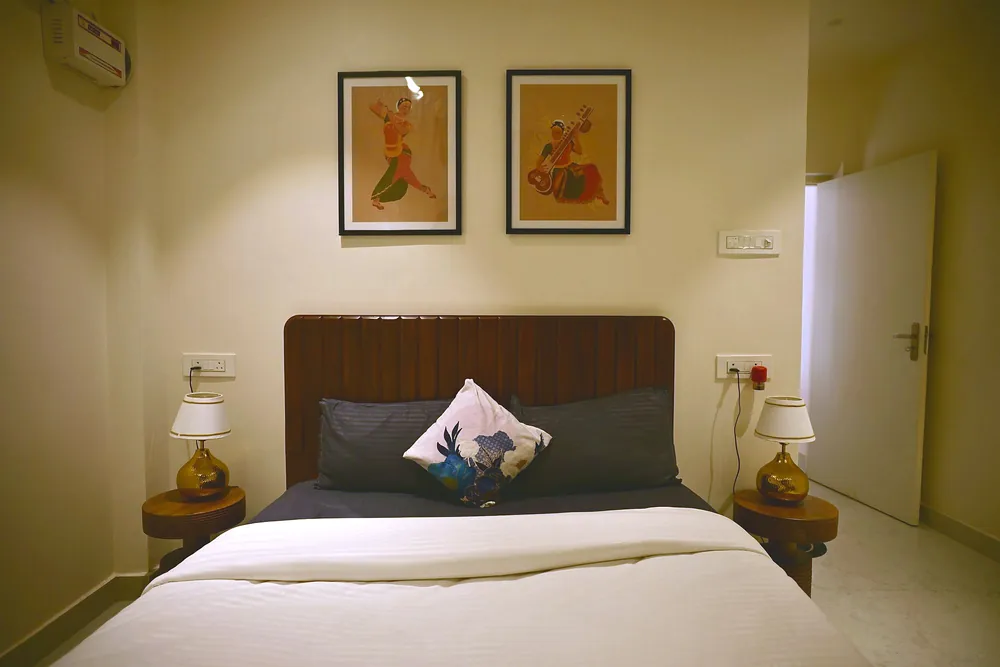
NOI Homes is a boutique homestay on J.B. Road in central Jorhat. There are two 2BHK apartments, each for up to six guests. NOI Homes Elite is always let as the whole apartment, with two bedrooms (Khwaab and Gulmohar). NOI Homes Privé can be booked whole, or as private rooms: Rajwada, the master suite, and Sukoon, the cosy room.
With a base in central Jorhat, you can take an early ferry to Majuli for the satras' morning prayers and still be back in town for dinner.
Every stay includes Wi-Fi, free on-site parking, a fully equipped kitchen and 24×7 on-site help. Breakfast and home-cooked Assamese meals are available on request at an extra charge. See the rooms in the catalogue, or check availability.
Planning dates? Message us with your dates and number of guests. We reply on WhatsApp.
Frequently asked questions
Is Sattriya a classical dance of India?
Yes. The Sangeet Natak Akademi recognised Sattriya as one of the classical dances of India on 15 November 2000.
Who created Sattriya dance?
Sattriya grew from the work of Srimanta Sankardeva, the 16th-century Vaishnavite saint, who created it as part of his Ankia Naat plays. It was then preserved in Assam's satras.
Where can I see Sattriya dance in Assam?
Majuli's satras, especially Uttar Kamalabari Satra, are the best places, above all during the Raas festival. It is also performed at cultural programmes across Assam. Ask ahead, as there is no fixed show time.
Can tourists learn Sattriya on Majuli?
Sometimes. Some satra artists teach visitors basic steps if asked in advance. Arrange it through a local guide or the satra office.
Timings, fares and seasonal openings in Assam change often. We check our posts regularly, but please confirm locally before you travel. Spotted something out of date? Tell us on WhatsApp.