
A day with Assam tea: from the bush to your cup
In short
- The plant: Assam tea is *Camellia sinensis* var. *assamica*, a local variety first noted by the Scottish trader Robert Bruce in 1823, who was guided to it by Maniram Dewan and the Singpho chief Bessa Gam.
- The pluck: pluckers pick the tender shoot, traditionally "two leaves and a bud", by hand.
- The factory: the leaf is withered, rolled (orthodox) or cut by CTC machines, oxidised, dried and sorted, usually within a day.
- The season: plucking runs from around March to early or mid-December, when a Tea Board order stops it. Winter is pruning time.
- For visitors: late November and early December are the last weeks to see a garden and factory at work before the winter break.
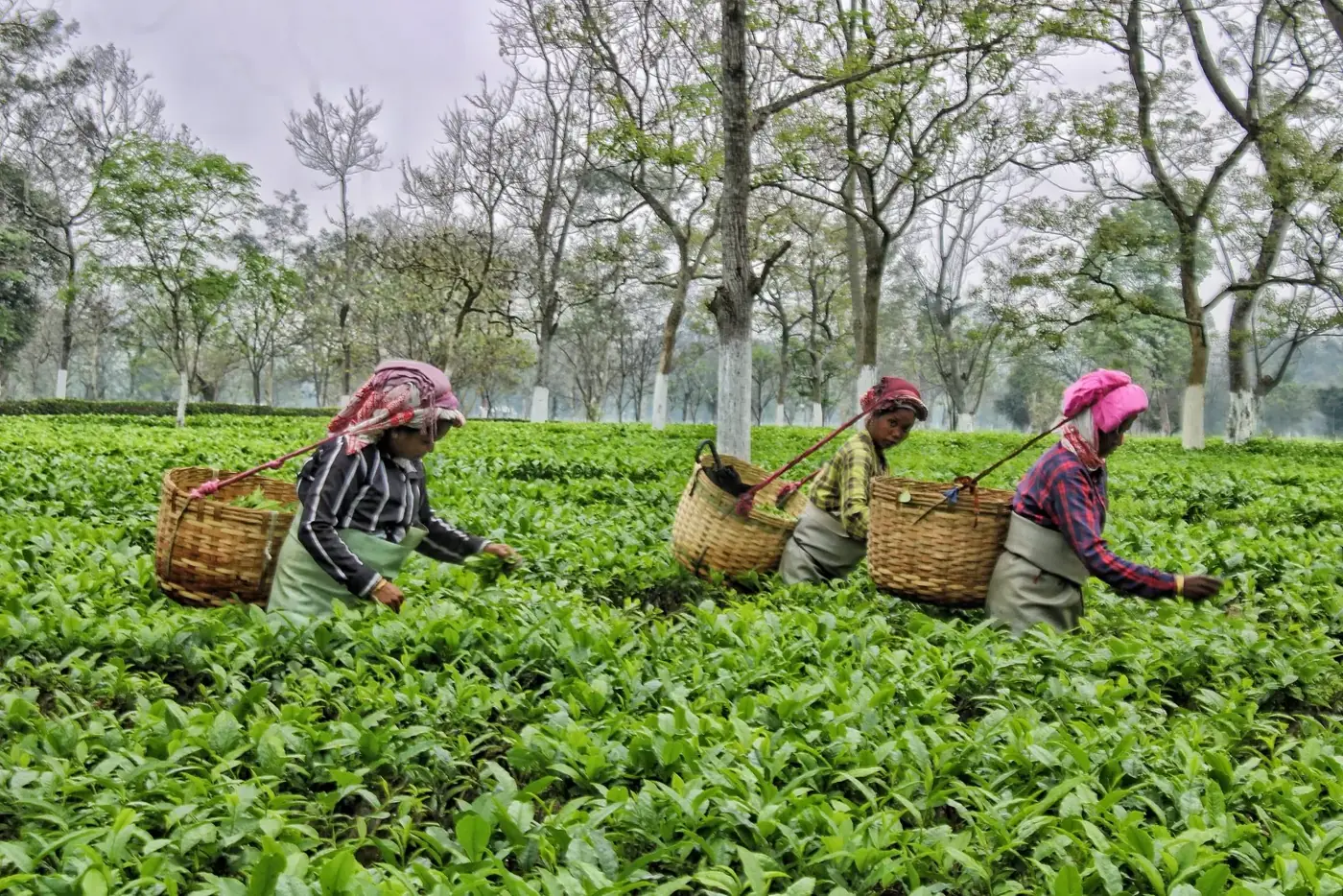
It's barely light when the first pluckers walk into the garden. Mist sits low over the bushes, the shade trees drip, and a bird calls from somewhere in the rows. Each woman carries a cane basket on her back, held by a strap across her forehead. By the time the town of Jorhat is having its first cup, the leaf for tomorrow's cup is already being picked.
Morning: the pluck
Assam's tea is its own variety, *Camellia sinensis* var. *assamica*. It grows in the low, wet plain of the Brahmaputra, not on hill slopes like Darjeeling. The story usually begins in 1823, when the Scottish trader Robert Bruce was shown the wild plant. The Assamese nobleman Maniram Dewan directed him to the Singpho chief Bessa Gam, whose people already brewed it. Two centuries later, Assam is the largest tea-growing region in the world by production.
The pluckers move along the bushes, which are kept flat at about waist height (the "plucking table"). They take only the young tip: two leaves and a bud. Fingers snap the shoot cleanly and toss it over the shoulder into the basket. It looks easy. It isn't: a good plucker is fast, gentle and consistent all day. Around midday the baskets are weighed, often at a shed by the road, and the leaf goes by tractor to the garden's factory.
Afternoon: the factory
Inside, the air smells green, then sweet, then like a fresh pot of tea. The steps:
- Withering: the leaf is spread on long troughs while fans blow air through it for several hours. It goes limp and loses moisture, so it can be shaped without breaking.
- Rolling or CTC: for orthodox tea, rollers twist the leaf into long, wiry strips. For CTC, short for "crush, tear, curl", toothed steel rollers cut it into small, hard granules. The first CTC machine came into use in 1930 at Amgoorie tea garden in Assam. Today most tea made in India is CTC, the kind that brews dark and strong for milky chai and tea bags.
- Oxidation: the broken leaf is left to rest, and it turns from green to coppery brown. Indian tea makers often call this step "fermentation". Timing decides the taste.
- Drying: hot air in a dryer stops the oxidation and leaves the tea black and crisp.
- Sorting: sieves grade the tea by size, from whole leaf to broken grades and dust. Then it's packed for auction.
From pluck to packed chest usually takes less than a day.
Evening: the cup
Good Assam tea is brisk and malty, with a deep red-brown colour. The second flush, picked in early summer, is the most prized, with golden tips on the leaf. At home in Assam, tea is usually CTC, boiled with milk and sugar, or taken black as saah with a little sugar. Pair it with a few pithas and you have an Assamese evening.
Why go now
Plucking slows as the weather cools. Each year the Tea Board fixes the last day of plucking in Assam, usually in early or mid-December, and factories close soon after. In winter the bushes are pruned and rest until the new season around March. So the next two or three weeks are your last chance this year to see the whole cycle at work.
How to see it from Jorhat
- A garden visit: Jorhat is ringed by tea estates. Most are working farms, not attractions, so arrange a visit in advance. See our tea garden visit guide.
- Tocklai: the world's oldest tea research station is in Jorhat town. Read how to visit Tocklai.
- Timing: go early morning for plucking, and late morning to afternoon for the factory.
- Etiquette: ask before photographing pluckers, stay on paths, and don't pick leaves.
Factory visits depend on each estate, and the season's last plucking date changes every year, so confirm locally before you plan.
Where to stay: NOI Homes, central Jorhat
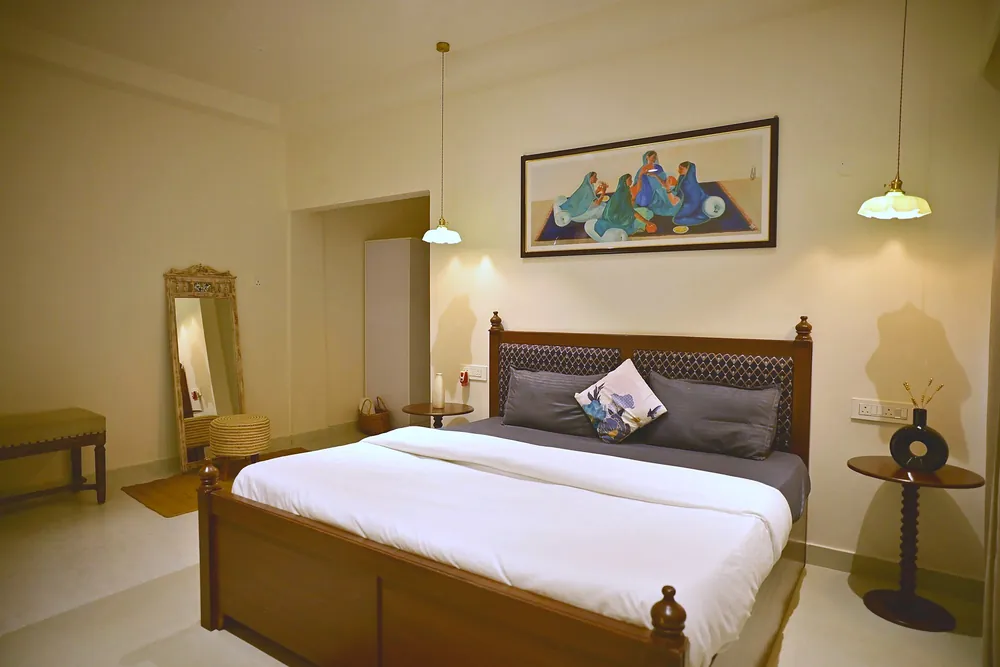
NOI Homes is a boutique homestay on J.B. Road in central Jorhat. There are two 2BHK apartments, each for up to six guests. NOI Homes Elite is always let as the whole apartment, with two bedrooms (Khwaab and Gulmohar). NOI Homes Privé can be booked whole, or as private rooms: Rajwada, the master suite, and Sukoon, the cosy room.
Staying in central Jorhat puts several working tea estates within a short drive, so you can catch the morning pluck and be back for breakfast.
Every stay includes Wi-Fi, free on-site parking, a fully equipped kitchen and 24×7 on-site help. Breakfast and home-cooked Assamese meals are available on request at an extra charge. See the rooms in the catalogue, or check availability.
Planning dates? Message us with your dates and number of guests. We reply on WhatsApp.
Frequently asked questions
When is the tea plucking season in Assam?
Plucking typically runs from around March to early or mid-December. The Tea Board of India sets the last plucking date each year, and the bushes are pruned and rest through winter.
What does "two leaves and a bud" mean?
It is the traditional fine pluck: the unopened bud at the tip of a shoot and the two young leaves below it. This tender growth makes the best tea.
What is the difference between orthodox and CTC tea?
Orthodox tea is rolled into whole or long wiry leaves. CTC (crush, tear, curl) tea is cut by toothed rollers into small granules that brew quickly and strong, which suits milky chai and tea bags.
Can I visit a tea factory near Jorhat?
Sometimes. Most estates are private working farms, so visits need to be arranged in advance, and factories close in winter after the plucking season ends.
Timings, fares and seasonal openings in Assam change often. We check our posts regularly, but please confirm locally before you travel. Spotted something out of date? Tell us on WhatsApp.