
Tocklai Tea Research Institute: a visitor's guide
Quick answer
- What: the research centre of the Tea Research Association, where organised tea research began in 1911. It is often called the oldest and largest tea research station in the world.
- Where: on the Jorhat–Mariani road at Cinnamara, on the south-eastern edge of Jorhat, a short auto or cab ride from the town centre.
- What you can see: experimental tea plots, a model tea factory and heritage buildings; a museum, tasting and shop are mentioned in official listings.
- Timings: typically around 8:30 am to 5 pm on working days.
- Before you go: it is a working research campus, so contact the institute in advance to arrange a visit. Labs may be off-limits.
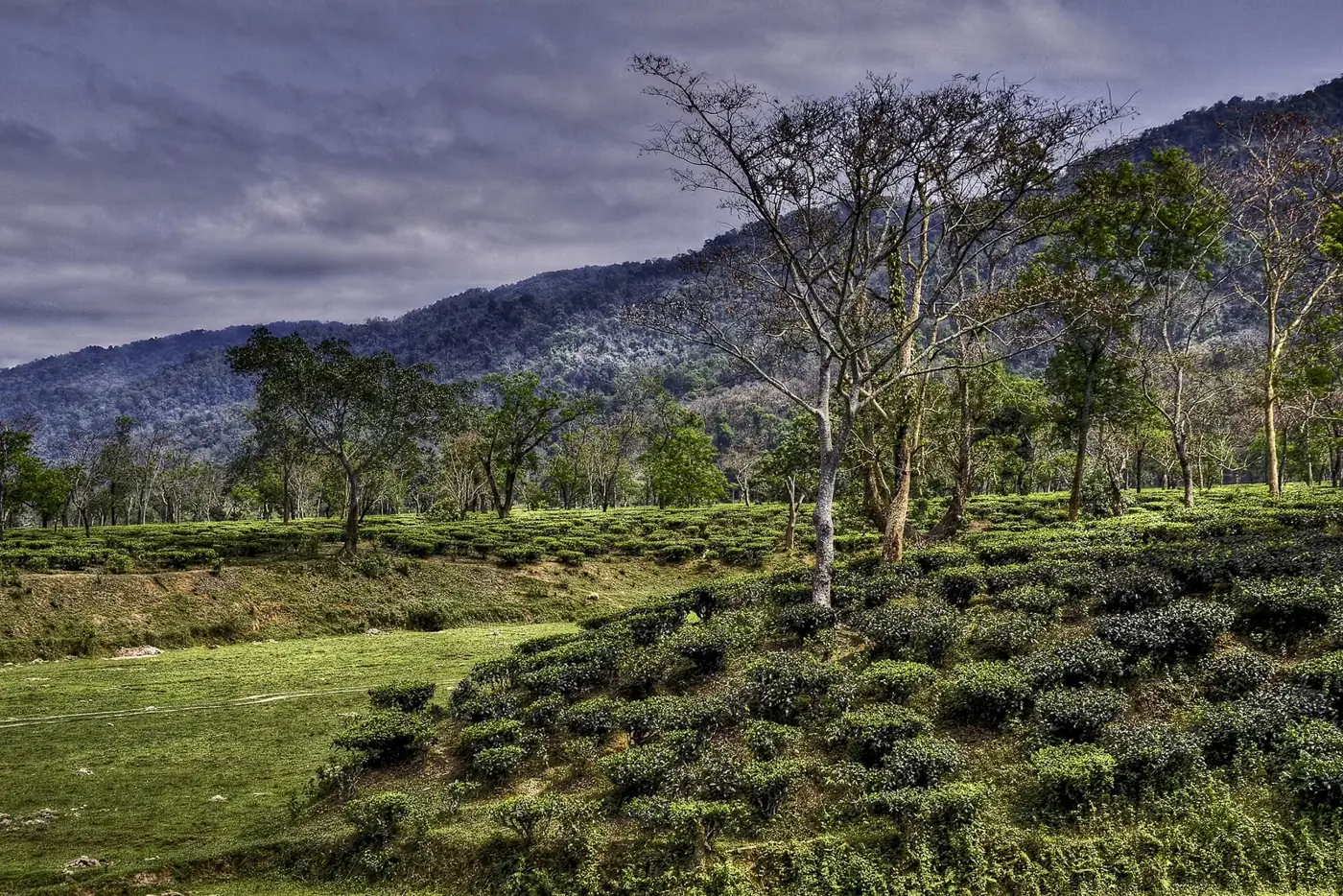
Jorhat calls itself the tea capital of the world, and Tocklai is the reason the claim holds. Much of what is known about growing and making Assam tea was worked out here, on a green campus of tea plots, labs and old bungalows on the edge of town. A visit is a calm, unusual hour or two: less a tourist sight than a look behind the cup.
A short history
- Tea research in Assam began at Tocklai in 1911, at what was then the Tocklai Experimental Station, set up with the support of the tea planters.
- Since 1964 it has been run by the Tea Research Association, which today advises tea gardens across North-East India and beyond.
- Tocklai is known for its "TV" clones, tea plant varieties bred for yield and quality. The first three were released in 1949, and more than 30 have followed. Many gardens you pass around Jorhat grow them.
- The campus holds a Heritage Guest House from the late 1920s, a fine example of a planter-era bungalow.
What you can see
- Tea plots and nurseries: neat rows of experimental bushes, where new varieties and growing methods are tested. In season you may see plucking.
- The model tea factory: a small processing unit with the machines that wither, roll, ferment and dry the leaf. It is the easiest way to understand how green leaf becomes CTC or orthodox tea.
- Museum and tasting: official tourism listings mention a tea museum with photographs and old equipment, a tasting session and a small shop. What is open on a given day depends on staff and work schedules, so ask when you arrange your visit.
- Heritage buildings: colonial-era bungalows set among lawns and old trees.
How to visit
- Arrange it first. Tocklai is a research institute, not a museum with a ticket counter. Write or call through the official website (tocklai.org) a few days ahead, say how many people are coming and what interests you.
- Timings: typically around 8:30 am to 5 pm. Weekday mornings are the safest bet; avoid Sundays and public holidays.
- Getting there: the campus is on the Jorhat–Mariani road at Cinnamara, roughly 15 to 20 minutes from central Jorhat. An auto or app cab is the simplest way.
- Fees: there may be a charge for guided visits or tastings. Confirm when you book.
Best time to go
- March to May: first and second flush, when the bushes are fresh and processing is busy.
- June to October: the main plucking season and the greenest landscape, though it is hot and wet.
- November to February: cool, dry weather and pleasant walks. Plucking slows down and factories may run less, so check what you will be able to see.
Tips
- Be respectful: it is a workplace. Keep to the areas you are shown and ask before photographing labs or people.
- Combine it with a tea garden walk and the Gibbon Sanctuary, which lie further along the same road towards Mariani.
Where to stay: NOI Homes, central Jorhat
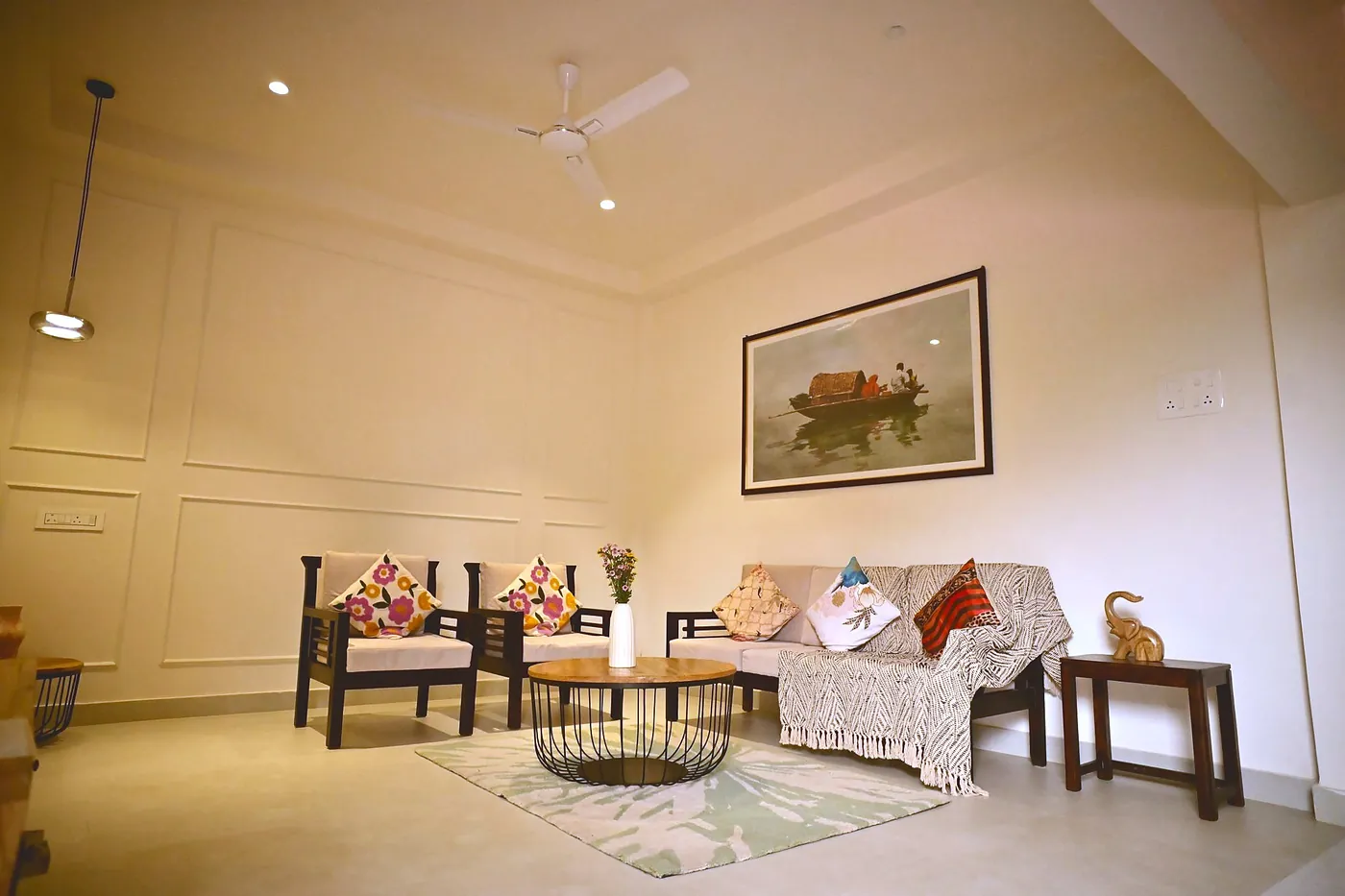
NOI Homes is a boutique homestay on J.B. Road in central Jorhat. There are two 2BHK apartments, each for up to six guests. NOI Homes Elite is always let as the whole apartment, with two bedrooms (Khwaab and Gulmohar). NOI Homes Privé can be booked whole, or as private rooms: Rajwada, the master suite, and Sukoon, the cosy room.
Tocklai is a short drive from our apartments on J.B. Road, so it fits easily into a morning before the Gibbon Sanctuary or a tea garden walk.
Every stay includes Wi-Fi, free on-site parking, a fully equipped kitchen and 24×7 on-site help. Breakfast and home-cooked Assamese meals are available on request at an extra charge. See the rooms in the catalogue, or check availability.
Planning dates? Message us with your dates and number of guests. We reply on WhatsApp.
Frequently asked questions
Can tourists visit Tocklai Tea Research Institute?
Yes, but it is a working research campus. Contact the institute in advance to arrange a visit; labs and research areas may be closed to visitors.
What are the timings for Tocklai?
Typically around 8:30 am to 5 pm on working days. Confirm before you go, as visits depend on staff availability.
Why is Tocklai famous?
Organised tea research began here in 1911, and it is often described as the oldest and largest tea research station in the world. It developed the widely planted TV tea clones.
How far is Tocklai from Jorhat town?
It is on the south-eastern edge of Jorhat at Cinnamara, on the Jorhat–Mariani road, roughly 15 to 20 minutes by auto or cab from the centre.
Timings, fares and seasonal openings in Assam change often. We check our posts regularly, but please confirm locally before you travel. Spotted something out of date? Tell us on WhatsApp.