
Pitha season: the rice cakes of Bihu, and where to taste them around Jorhat
In short
- What: pitha are Assamese rice cakes, made mostly from bora saul, a sticky rice grown in Assam, and eaten through the winter.
- When: the pitha season peaks in the days before Magh Bihu, expected around 15 January 2027.
- Must-try: til pitha (sesame and jaggery roll), ghila pitha (fried), tekeli pitha (steamed) and sunga pitha (cooked in bamboo).
- Alongside: laru (sweet balls of sesame, coconut or puffed rice) and jolpan, a breakfast of flattened or puffed rice with curd and jaggery.
- Where: homes, Bihu markets and stalls in the week before Bihu, and Assamese restaurants in Jorhat through the winter.
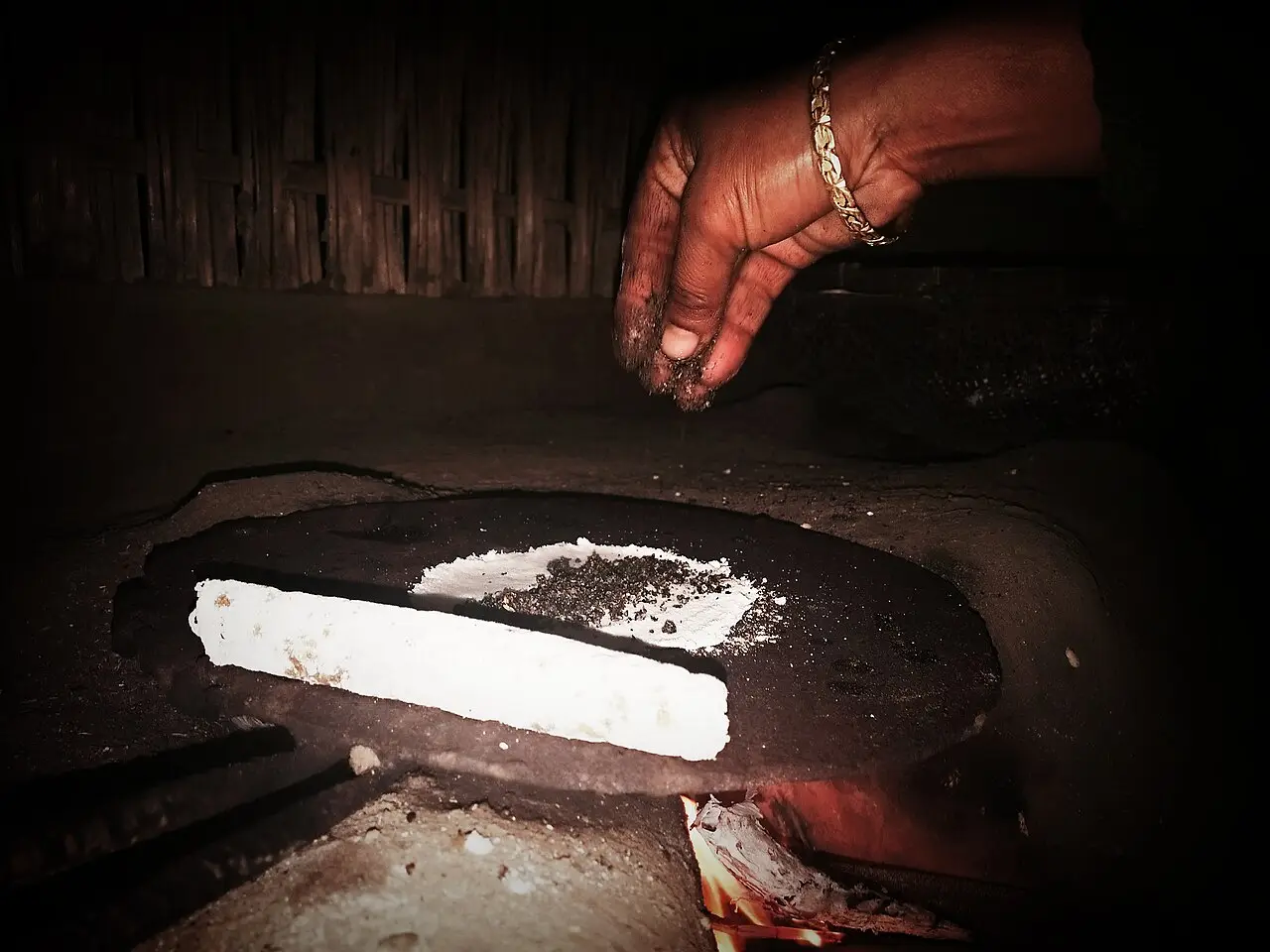
Come to Assam in December or January and you'll notice it everywhere: the smell of roasting sesame, jaggery bubbling in kitchens, and baskets of white rolls at market stalls. This is pitha season. These rice cakes are the heart of Bhogali (Magh) Bihu, the harvest festival, and Upper Assam, with its paddy fields around Jorhat and Majuli, takes them seriously.
The rice behind it all
Most pitha starts with bora saul, a glutinous (sticky) rice grown in Assam, closer to the sticky rice of Southeast Asia than to the rice eaten across most of India. Traditionally the rice is soaked overnight, dried in the winter sun and then pounded into flour with a dheki, a wooden foot-operated pounder. Neighbours often worked together, one person treading the dheki while another sifted the flour. You may still see this in villages around Jorhat in the run-up to Bihu.
The pithas to know
- Til pitha: the best known. A thin layer of rice flour is spread on a hot iron pan, filled with sesame and jaggery, and rolled into a slim cylinder. Crisp outside, sweet and nutty inside.
- Narikol pitha: made the same way, with a filling of grated coconut and sugar or jaggery.
- Ghila pitha: rice flour and jaggery, shaped into small flat rounds and deep-fried. There's also a salted version.
- Tekeli pitha: rice flour with jaggery or coconut, wrapped in cloth and steamed over the mouth of a pot or kettle. Soft and gentle.
- Sunga pitha: sticky rice packed into a hollow of young bamboo, sealed with a banana leaf and roasted over the fire, then cut open and often eaten with hot milk. Smoky and unforgettable.
- Kholasapori pitha: a thin rice-flour pancake cooked in a little oil, eaten with jaggery or pickle.
Laru and jolpan
Pitha rarely comes alone. Laru are small sweet balls: tilor laru (sesame and jaggery), narikol laru (coconut) and muri laru (puffed rice bound with jaggery). Jolpan is the traditional Assamese breakfast, a bowl of chira (flattened rice), muri or soaked sticky rice, topped with thick curd and jaggery. On Bihu morning, after the meji bonfire, this is what most homes eat. Read more in our Magh Bihu 2027 post.
Where to taste pitha around Jorhat
- At a home: the best pitha is homemade. If you're invited into a home during Bihu week, say yes. Hosts are proud of their pitha and will happily explain each one.
- Markets before Bihu: in the days before Uruka, markets across Assam fill with stalls selling pitha, laru, chira, curd and jaggery. Prices typically rise close to Bihu, so buy a few days early.
- Village kitchens: more and more pitha is now made by groups of village women for sale. In Jorhat district, women in one village were reported to make lakhs of til pitha, ghila pitha and coconut laru for Bihu, sent to Jorhat, Sivasagar and beyond.
- Restaurants: Assamese restaurants in Jorhat often serve pitha and jolpan in winter. Ask what's fresh that day. See our guide to Assamese food in Jorhat.
Tips for visitors
- Pitha is best fresh and keeps for a few days. Til pitha travels well if packed carefully, so it makes a lovely edible souvenir.
- Most pitha is vegetarian, and many are naturally gluten-free, but check fillings and cooking oil if you have dietary needs.
- Pair a pitha tasting with a tea garden visit. Pitha and a cup of strong Assam tea is a classic winter combination.
Bihu dates and market timings change slightly each year, so confirm locally before you plan around them.
Where to stay: NOI Homes, central Jorhat
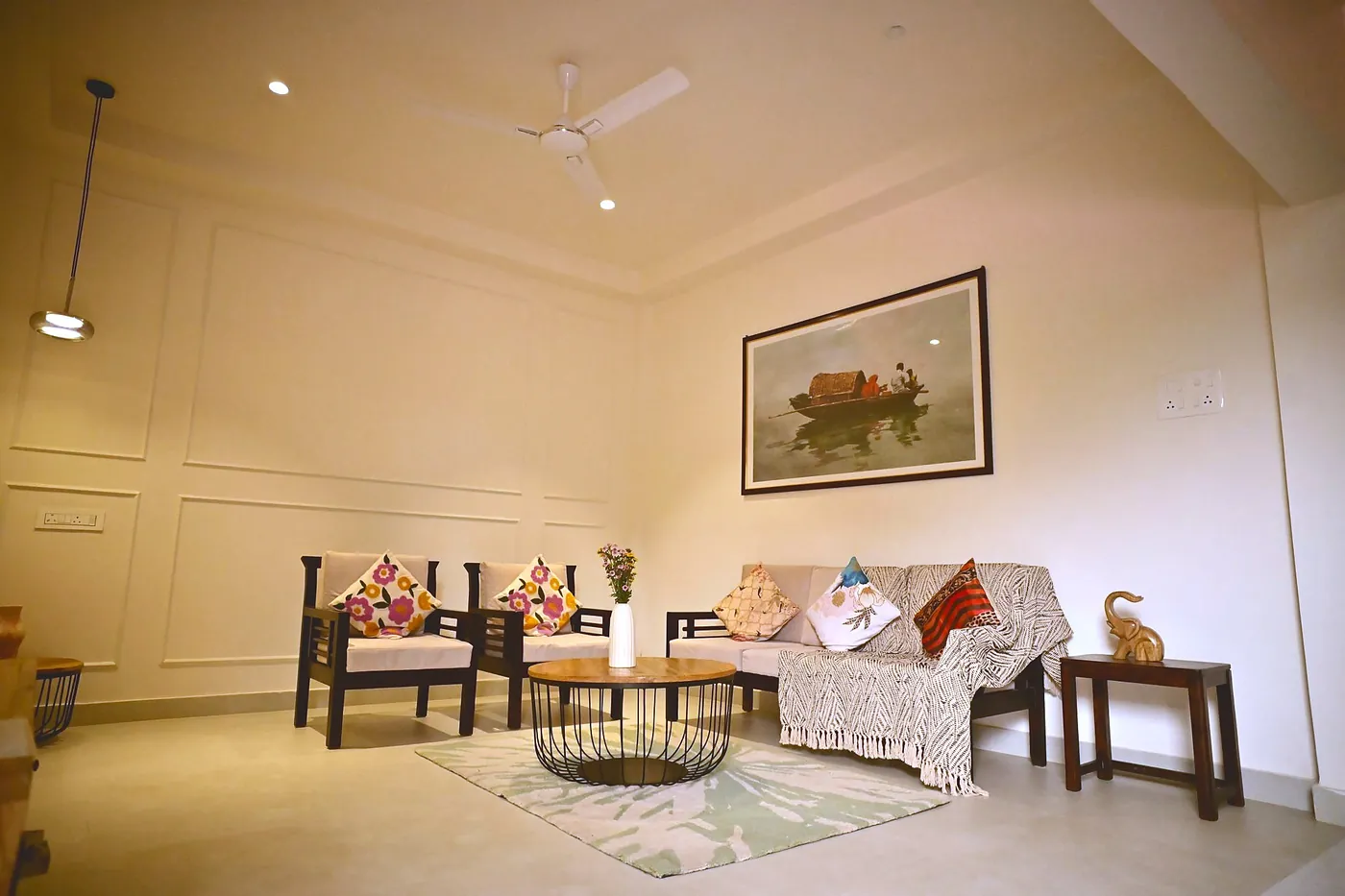
NOI Homes is a boutique homestay on J.B. Road in central Jorhat. There are two 2BHK apartments, each for up to six guests. NOI Homes Elite is always let as the whole apartment, with two bedrooms (Khwaab and Gulmohar). NOI Homes Privé can be booked whole, or as private rooms: Rajwada, the master suite, and Sukoon, the cosy room.
Staying in central Jorhat puts you close to the town's Bihu markets and Assamese kitchens, with a full kitchen of your own if you'd like to try making a pitha or two.
Every stay includes Wi-Fi, free on-site parking, a fully equipped kitchen and 24×7 on-site help. Breakfast and home-cooked Assamese meals are available on request at an extra charge. See the rooms in the catalogue, or check availability.
Planning dates? Message us with your dates and number of guests. We reply on WhatsApp.
Frequently asked questions
What is pitha in Assam?
Pitha are traditional Assamese rice cakes, usually made from bora saul (sticky rice) flour with fillings like sesame, coconut and jaggery. They are central to Bihu, especially Magh Bihu in January.
What is the most famous Assamese pitha?
Til pitha, a thin rice-flour roll filled with sesame and jaggery, is the best known. Ghila pitha, tekeli pitha and sunga pitha are other favourites.
When is the best time to taste pitha in Assam?
The week leading up to Magh Bihu, around mid-January, when homes and markets make it in large batches. Many Assamese restaurants also serve pitha through the winter.
Can I buy pitha to take home?
Yes. Til pitha and laru keep for a few days and are sold at markets and stalls before Bihu. Pack them in an airtight box for the journey.
Timings, fares and seasonal openings in Assam change often. We check our posts regularly, but please confirm locally before you travel. Spotted something out of date? Tell us on WhatsApp.