
Me-Dam-Me-Phi: the Ahom festival of the ancestors (31 January)
In short
- What: Me-Dam-Me-Phi is the Tai Ahom festival of offerings to the ancestors (Dam) and gods (Phi). "Me" means offering.
- When: every year on 31 January. In 2027 that is a Sunday.
- Where: in Ahom homes across Upper Assam, and at large public gatherings that move between towns. In 2026 there were big celebrations in Sivasagar and Margherita.
- What you'll see: prayers led by Ahom priests (Deodhai, Mohan, Bailung), offerings at the maidams, processions in traditional dress, cultural programmes and a community feast.
- From Jorhat: Sivasagar, the old Ahom capital, is around 55–60 km away, an easy day trip.
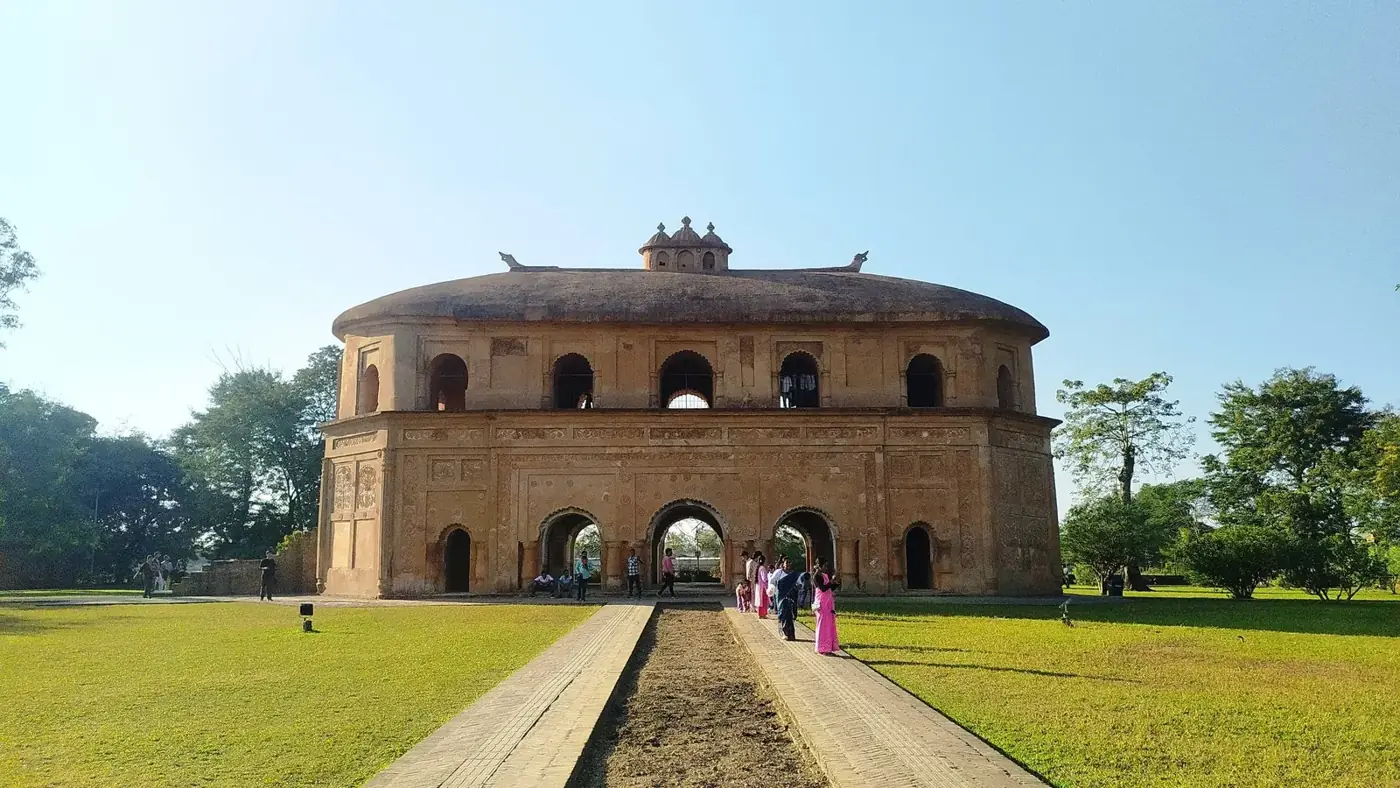
Every winter, on the last day of January, Ahom families in Upper Assam set out food, rice beer and flowers for those who came before them. The festival is Me-Dam-Me-Phi, and it's one of the oldest living traditions in the Brahmaputra valley. For a traveller, it's also a rare window into the culture of the people who ruled Assam for six centuries.
Who the Ahoms are
The Ahoms are descended from Tai people who came over the Patkai hills from the east in the 13th century, led by the prince Sukaphaa (Siu-Ka-Pha). His first capital was at Charaideo, near today's Sivasagar. The kingdom he founded lasted until the 19th century, and its later capitals at Sivasagar and Garhgaon are full of Ahom monuments. Charaideo's royal burial mounds, the maidams, became a UNESCO World Heritage Site in 2024.
What the name means
The words are Tai. Me means offering, Dam means the dead or the ancestors, and Phi means the gods. Put simply: offerings to the ancestors and the gods. The idea is that the spirits of the dead watch over the family and must be remembered and thanked.
In old times the festival was held in spring, when certain flowers bloomed. Ahom kings observed it publicly, and Charaideo has a long history of royal ceremonies. In modern Assam it is fixed on 31 January, and over recent decades it has grown from a household ritual into a big public celebration.
How it's observed
At home, the family offers food at the household's ancestral spot, often in or near the kitchen. Typical offerings are rice, fish and meat, sweets, betel nut and leaves, and the Ahom rice beer called luk lao.
In public, the day is led by traditional Ahom priests, the Deodhai, Mohan and Bailung, chanting in the Tai language. Altars are set up for the different gods, and offerings are made at the maidams. Expect:
- flag hoisting and a morning procession in traditional dress
- prayers and offerings at the altars and the maidams
- Tai script, quiz and essay contests, and cultural shows in the evening
- a shared community meal
The public event moves between towns each year. In 2026, Sivasagar held a three-day international celebration, from 30 January to 1 February, with Tai guests from Thailand, Vietnam and Laos. Margherita also held a large two-day programme. Venues and programmes for 2027 are usually announced in January, so watch local news.
Seeing it from Jorhat
- Sivasagar: around 55–60 km by road. Pair the festival with Rang Ghar, Talatal Ghar and Sivadol. See our Sivasagar day trip guide.
- Charaideo: about an hour beyond Sivasagar. A quiet place to see the maidams, especially on this day.
- In Jorhat: the town has its own Ahom history, including the Raja Maidam of Purandar Singha, one of the last Ahom kings.
- Timing: leave early. Morning rituals are the heart of the day, and roads get busy.
Etiquette
- Public events are open, but the rituals are sacred. Watch quietly and don't walk between the priests and the altars.
- Ask before photographing people at prayer.
- Dress modestly. If offered food or rice beer, it's fine to accept a little or to say no politely.
Late January in Upper Assam is cool and dry, with foggy mornings, so bring a warm layer. If you can travel a little earlier, Bhogali Bihu falls in mid-January, so one longer winter trip can take in both. Dates and venues can change, so confirm locally before you travel.
Where to stay: NOI Homes, central Jorhat
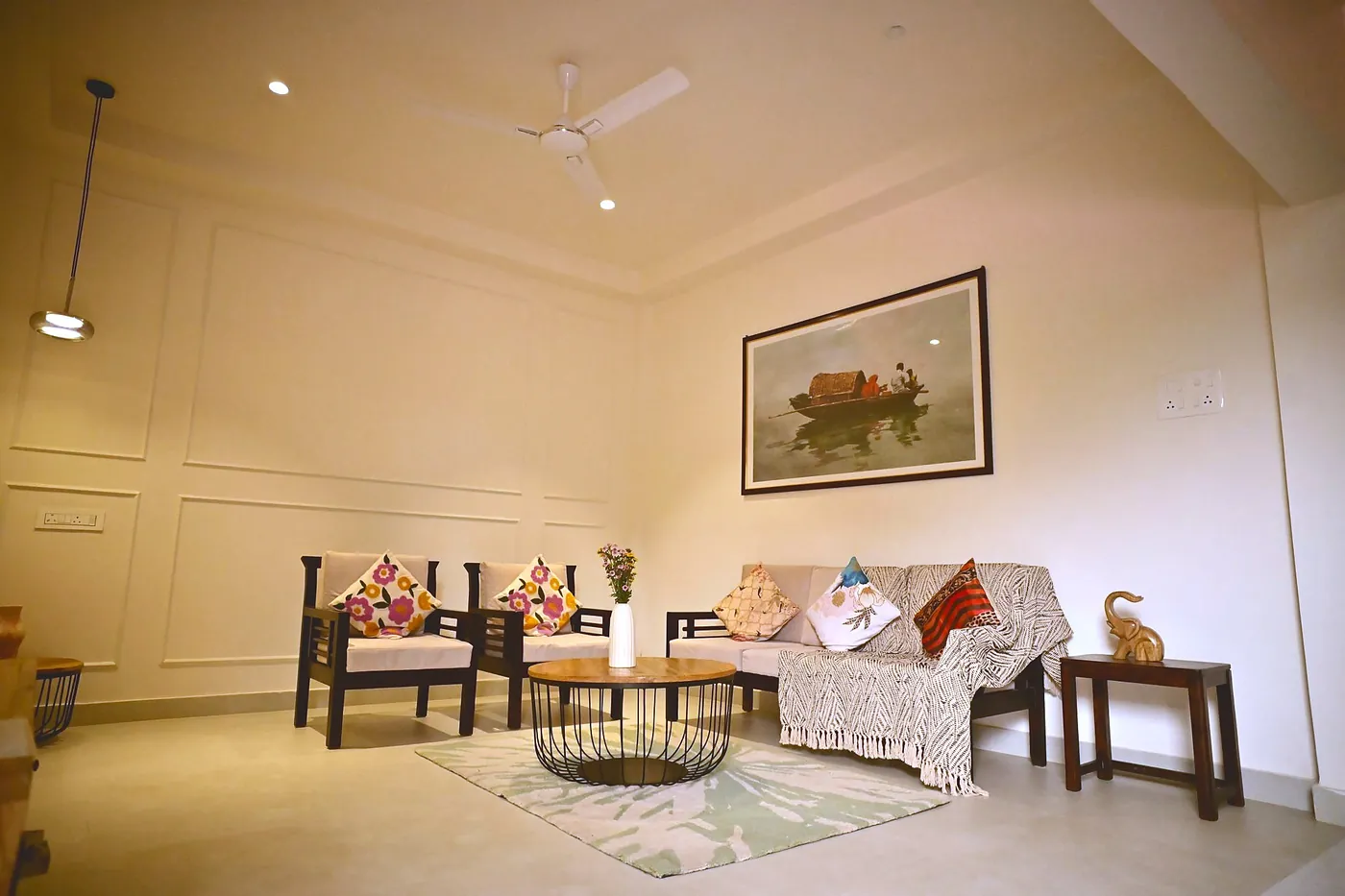
NOI Homes is a boutique homestay on J.B. Road in central Jorhat. There are two 2BHK apartments, each for up to six guests. NOI Homes Elite is always let as the whole apartment, with two bedrooms (Khwaab and Gulmohar). NOI Homes Privé can be booked whole, or as private rooms: Rajwada, the master suite, and Sukoon, the cosy room.
Jorhat is a comfortable base for Me-Dam-Me-Phi: Sivasagar and the Ahom sites are an easy morning drive, and you're back in town for dinner.
Every stay includes Wi-Fi, free on-site parking, a fully equipped kitchen and 24×7 on-site help. Breakfast and home-cooked Assamese meals are available on request at an extra charge. See the rooms in the catalogue, or check availability.
Planning dates? Message us with your dates and number of guests. We reply on WhatsApp.
Frequently asked questions
When is Me-Dam-Me-Phi in 2027?
Me-Dam-Me-Phi is observed every year on 31 January. In 2027 it falls on a Sunday. Big public events sometimes run over two or three days around that date.
What does Me-Dam-Me-Phi mean?
The words are Tai: "Me" means offering, "Dam" means the ancestors or the dead, and "Phi" means the gods. It is a festival of offerings to the ancestors and gods.
Can tourists attend Me-Dam-Me-Phi?
Yes, the public celebrations are open to visitors. Watch the rituals respectfully, ask before taking photos, and follow the organisers' guidance.
Where is the best place to see it near Jorhat?
Sivasagar, the old Ahom capital about 55–60 km from Jorhat, often hosts large celebrations, and Charaideo has the royal maidams. The main venue changes each year, so check local news in January.
Timings, fares and seasonal openings in Assam change often. We check our posts regularly, but please confirm locally before you travel. Spotted something out of date? Tell us on WhatsApp.